BMW Engine Rebuild
Engine Rebuilds
BMW Engine Rebuilds
BY RECONWORKS
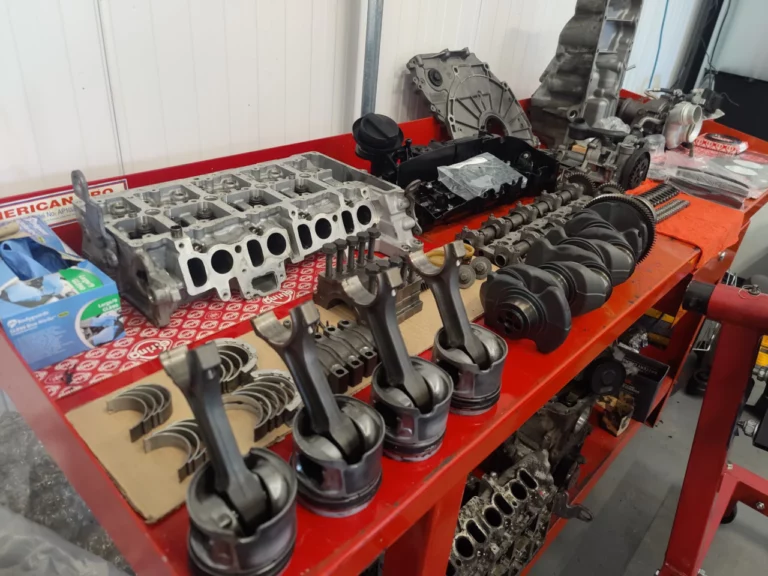
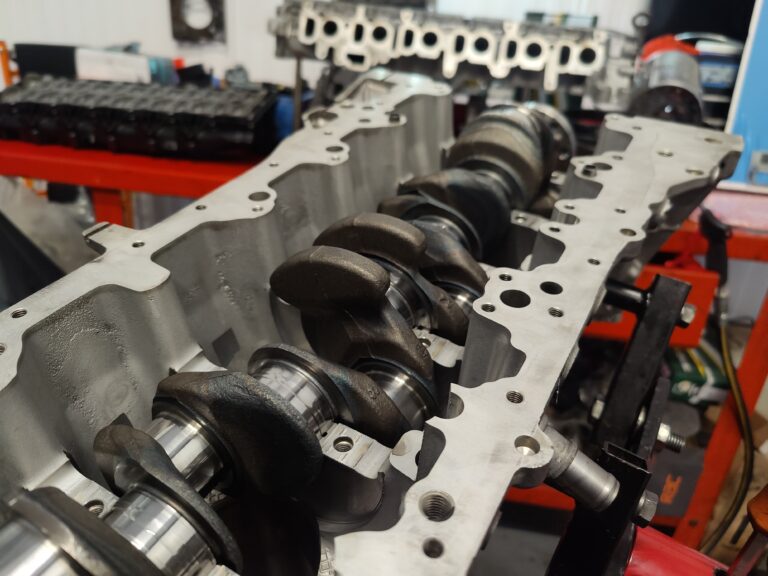
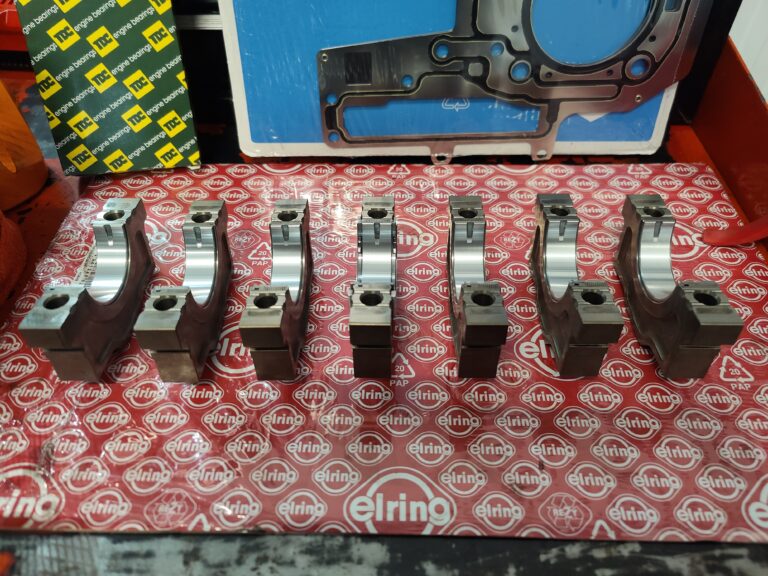
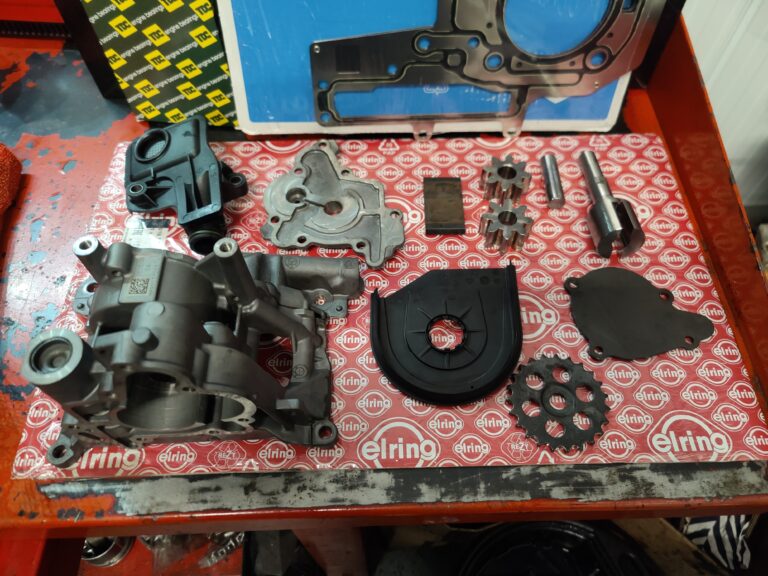
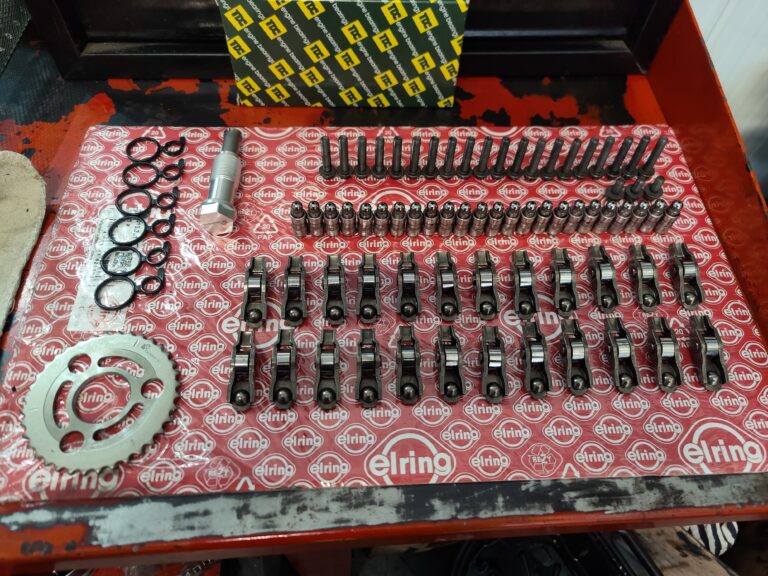
Providing professional and high quality BMW engine rebuild services including a 1 year warranty with every job. We are able to accommodate most modern BMW vehicles and we specialise in the N47, B47 & N57 platforms. So this means we carry out repairs most commonly on the 1.6, 2.0 & 3.0 diesel engines.
At Reconworks we hold parts stock for most BMW diesel engines so we are capable of providing an engine rebuild at a competitive price with great efficiency. Because we focus on BMW diesels it means we have gained a vast amount of knowledge on these platforms and so are capable of giving great prices as well as completing the work within an acceptable timeframe. Engine remanufacturing is our passion, meaning our attention to detail and workmanship naturally reach a very high standard.
BMW ENGINE REBUILD
The Failures
BMW 1.6 & 2.0 Diesel N47
BMW Engine Failures
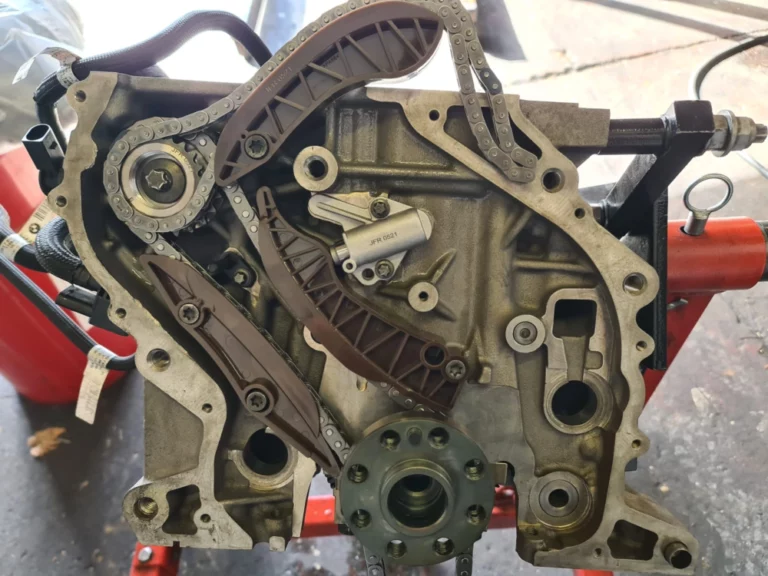
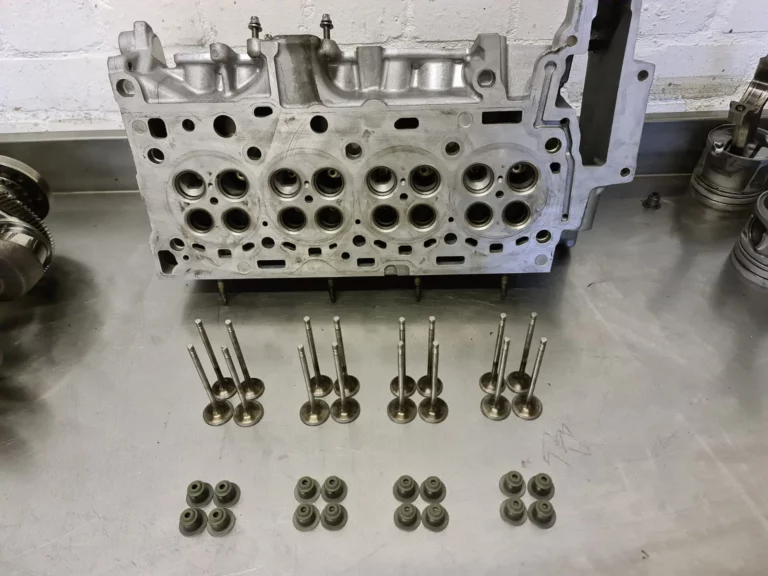
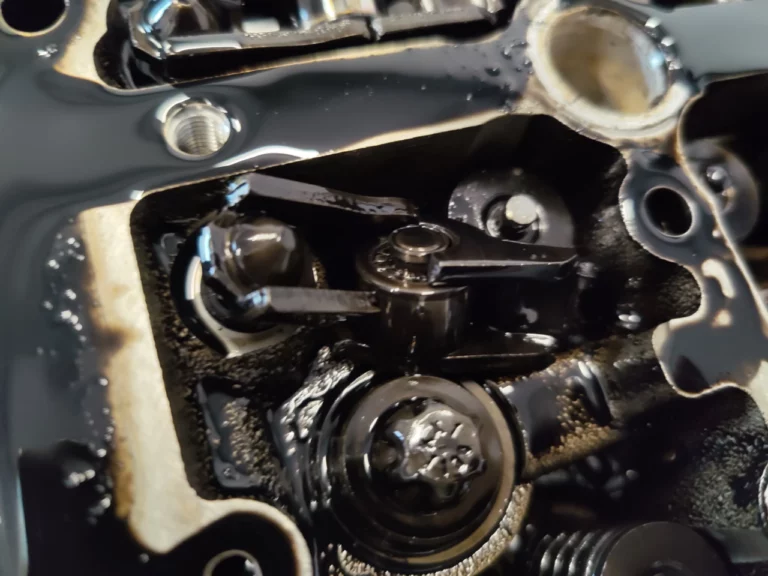
All versions of the N47 engine suffer from weak timing (including MINI). Both the chains and guides are susceptible to failure both because of the materials used and design choices. The chains on these engines are relatively small and thin, the reduction in size and weight of the chains makes for a more efficient engine, however the trade off is strength and longevity. Therefore it makes this the most common cause of engine failure. This generally causes damage to rocker arms, valves, guides in addition to camshafts and carrier in the first few seconds. Guides can break up through wear and oil contamination. The complete timing system is replaced with all BMW engine rebuilds.
Usually a secondary failure following a type of timing failure, poor maintenance or a blocked DPF. This is caused by either oil starvation or excessive back pressure. In timing: as the plastic timing guides wear they leave behind a build up of material which ultimately makes its way to the oil pickup therefore blocking it and starving not just the engine of oil but also the turbocharger. A blocked DPF will generate a high amount of back pressure, putting stress on the turbo internally and eventually leading to a large amount of through play in the shaft through wear (allowing the passthrough of oil).
A clogged DPF will create excessive back pressure and more stress on the turbocharger. Exhaust gas back pressure will also create a high stress environment inside the engine and will start to generate carbon build up internally. As well as this the turbocharger shaft will wear, have noticeable play through the shaft and allow the passthrough of oil to the intake. This also has a knock on effect on the fuel injector operation and wear.
Fuel injectors are known to fail for a variety of reasons however most commonly we see the result of emission control systems. The injectors are called upon to create an environment whereby the DPF can regenerate, this means providing more fuel. Overtime and depending on the type of driving you do, this can cause an excess of fuel to make its way down to the sump thus making the oil thinner and resulting in poor lubrication. After some time the injectors can also fail, hugely over fuel, causing massive damage inside the cylinder. This is due to the injector spraying too much fuel inside the combustion chamber during its cycle before igniting it. The large amount of fuel creates a very high temperature environment subsequently melting and breaking up the pistons.
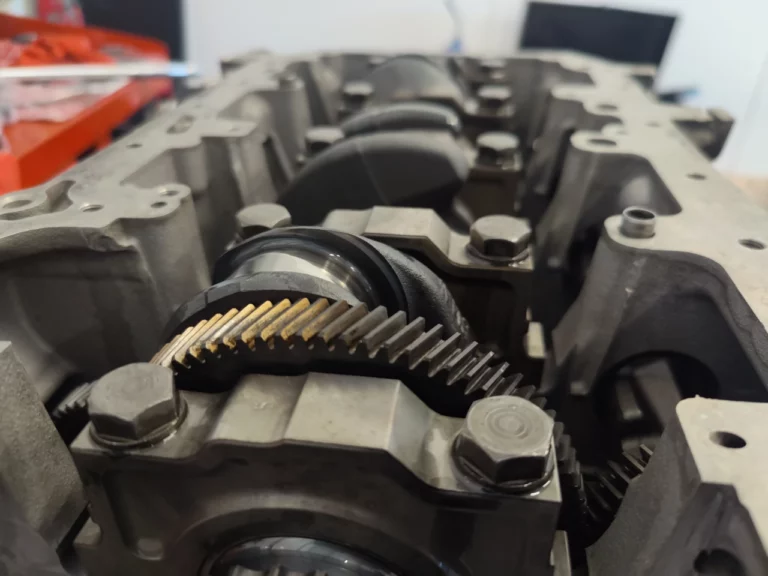
Commonly caused by a lack of sufficient lubrication in a number of ways. We often find spun big end and main bearings. Likely factors for this failure include the oil pump and oil contamination/degradation. This could be down to lack of servicing, fuel injector failure, a blocked DPF and any other contaminant that finds itself in the oil. If the vehicle is driven with a knocking engine this can cause massive damage including a snapped crankshaft.
Poor servicing is a major contributing factor leading to engine failure. If the oil is not changed regularly a build up of particles and debris will build up inside the engine. Oil quickly loses the ability to hold carbon in suspension, so this and the change in oil viscosity commonly blocks oil galleries and the oil pickup therefore leading to failures. Because of this we are seeing the oil pumps failing, spun big end and main bearings in addition to turbochargers due to a blocked pickup.
Apart from the above these engines are known to fail in a number of preventable ways. Other failures include the intake manifold swirl flaps, which can break up and are sucked into the combustion chamber causing piston and cylinder head damage. The oil filter housing and cap, the housing has an oil return valve which can stick or break causing low oil pressure and the cap houses a valve which can fail causing the oil to pass through unfiltered.


Vehicles
BMW 1 Series
116d 118d 120d 123d 125d
BMW 2 Series
218d 220d 225d
BMW 3 Series
316d 318d 320d 325d 320dGT
BMW 4 Series
418d 420d 425d
BMW 5 Series
518d 520d 520dGT
BMW X1
18d 20d
BMW X3
18d 20d
BMW X5
20d 25d
BMW 2.0 Diesel B47
BMW Engine Failures
The B47 suffers almost identical failures to the N47 as there is only a minor change in design. Both the chains and guides are susceptible to failure both because of the materials used and design choices. The chains on these engines are relatively small and thin, the reduction in size and weight of the chains makes for a more efficient engine, however the trade off is strength and longevity. Therefore it makes this the most common cause of engine failure. This generally causes damage to rocker arms, valves, guides in addition to camshafts and carrier in the first few seconds. Guides can break up through wear and oil contamination.
Often a secondary failure following a type of timing failure, poor maintenance or a blocked DPF. This is caused by either oil starvation or excessive back pressure. In timing: as the plastic timing guides wear they leave behind a build up of material which ultimately makes its way to the oil pickup therefore blocking it and starving not just the engine of oil but also the turbocharger. A blocked DPF will generate a high amount of back pressure, putting stress on the turbo internally and eventually leading to a large amount of through play in the shaft through wear (allowing the passthrough of oil).
A clogged DPF will create excessive back pressure and more stress on the turbocharger. Exhaust gas back pressure will also create a high stress environment inside the engine and will start to generate carbon build up internally. As well as this the turbocharger shaft will wear, have noticeable play through the shaft and allow the passthrough of oil to the intake. This also has a knock on effect on the fuel injector operation and wear.
Fuel injectors are known to fail for a variety of reasons however most commonly we see the result of emission control systems. The injectors are called upon to create an environment whereby the DPF can regenerate, this means providing more fuel. Overtime and depending on the type of driving you do, this can cause an excess of fuel to make its way down to the sump thus making the oil thinner and resulting in poor lubrication. After some time the injectors can also fail, hugely over fuel, causing massive damage inside the cylinder. This is due to the injector spraying too much fuel inside the combustion chamber during its cycle before igniting it. The large amount of fuel creates a very high temperature environment subsequently melting and breaking up the pistons.
Commonly caused by a lack of sufficient lubrication in a number of ways. We often find spun big end and main bearings. Likely factors for this failure include the oil pump and oil contamination/degradation. This could be down to lack of servicing, fuel injector failure, a blocked DPF and any other contaminant that finds itself in the oil. If the vehicle is driven with a knocking engine this can cause massive damage including a snapped crankshaft. Much the same as the N47.
Poor servicing is a major contributing factor leading to engine failure. If the oil is not changed regularly a build up of particles and debris will build up inside the engine. Oil quickly loses the ability to hold carbon in suspension, so this and the change in oil viscosity commonly blocks oil galleries and the oil pickup therefore leading to failures. Because of this we are seeing the oil pumps failing, spun big end and main bearings in addition to turbochargers due to a blocked pickup.
Apart from the above these engines are known to fail in a number of preventable ways. Other failures include the intake manifold swirl flaps, which can break up and are sucked into the combustion chamber causing piston and cylinder head damage. The oil filter housing and cap, the housing has an oil return valve which can stick or break causing low oil pressure and the cap houses a valve which can fail causing the oil to pass through unfiltered. The B47 is also known for the oil cooler gaskets or the housing itself to fail causing oil/coolant mixing. Some actions are taken of our own back during a BMW engine rebuild if this can be rectified easily, more complex issues will be discussed.
Vehicles
BMW 1 Series
116d 118d 120d
BMW 2 Series
218d 220d
BMW 3 Series
318d 320d
BMW 4 Series
418d 420d
BMW 5 Series
520d
BMW X1
sDrive18d sDrive20d xDrive25d
BMW X2
sDrive18d sDrive20d xDrive25d
BMW X3
sDrive20d xDrive20d xDrive25d
BMW X4
xDrive20d xDrive25d
BMW X5
sDrive25d xDrive25d
BMW 6 Series
620d Gran Turismo
BMW 3.0 Diesel N57
BMW Engine Failures
The N57 suffers almost identical timing failures to the N47 as there is only a minor difference in design. Both the chains and guides are susceptible to failure both because of the materials used and design choices. The chains on these engines are relatively small and thin, the reduction in size and weight of the chains makes for a more efficient engine, however the trade off is strength and longevity. Therefore it makes this the most common cause of engine failure. This generally causes damage to rocker arms, valves, guides in addition to camshafts and carrier in the first few seconds. Guides can break up through wear and oil contamination. Although these failures are shared across platforms the N57 seems to suffer from this less often.
Often a secondary failure following a type of timing failure, poor maintenance or a blocked DPF. This is caused by either oil starvation or excessive back pressure. In timing: as the plastic timing guides wear they leave behind a build up of material which ultimately makes its way to the oil pickup therefore blocking it and starving not just the engine of oil but also the turbocharger. A blocked DPF will generate a high amount of back pressure, putting stress on the turbo internally and eventually leading to a large amount of through play in the shaft through wear (allowing the passthrough of oil).
A clogged DPF will create excessive back pressure and more stress on the turbocharger. Exhaust gas back pressure will also create a high stress environment inside the engine and will start to generate carbon build up internally. As well as this the turbocharger shaft will wear, have noticeable play through the shaft and allow the passthrough of oil to the intake. This also has a knock on effect on the fuel injector operation and wear.
Fuel injectors are known to fail for a variety of reasons however most commonly we see the result of emission control systems. The injectors are called upon to create an environment whereby the DPF can regenerate, this means providing more fuel. Overtime and depending on the type of driving you do, this can cause an excess of fuel to make its way down to the sump thus making the oil thinner and resulting in poor lubrication. After some time the injectors can also fail, hugely over fuel, causing massive damage inside the cylinder. This is due to the injector spraying too much fuel inside the combustion chamber during its cycle before igniting it. The large amount of fuel creates a very high temperature environment subsequently melting and breaking up the pistons. A failed or failing injector can also cause a connecting rod to bend.
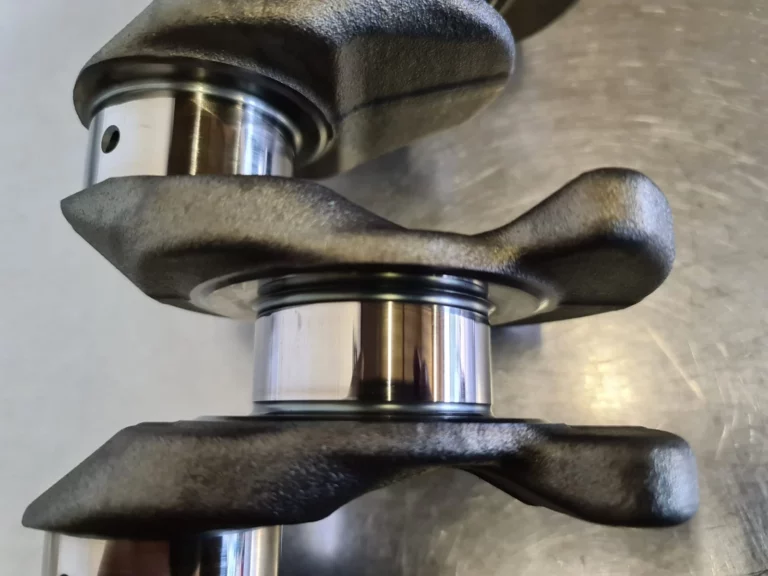
Commonly caused by a lack of sufficient lubrication in a number of ways. We often find spun big end and main bearings. Likely factors for this failure include the oil pump and oil contamination/degradation. This could be down to lack of servicing, fuel injector failure, a blocked DPF and any other contaminant that finds itself in the oil. If the vehicle is driven with a knocking engine this can cause massive damage including a snapped crankshaft. Much the same as the N47. With all BMW engine rebuilds the crankshaft is often replaced with a new unit.
Poor servicing is a major contributing factor leading to engine failure. If the oil is not changed regularly a build up of particles and debris will build up inside the engine. Oil quickly loses the ability to hold carbon in suspension, so this and the change in oil viscosity commonly blocks oil galleries and the oil pickup therefore leading to failures. Because of this we are seeing the oil pumps failing, spun big end and main bearings in addition to turbochargers due to a blocked pickup.
Apart from the above these engines are known to fail in a number of preventable ways. Other failures include the intake manifold swirl flaps, which can break up and are sucked into the combustion chamber causing piston and cylinder head damage. The oil filter housing and cap, the housing has an oil return valve which can stick or break causing low oil pressure and the cap houses a valve which can fail causing the oil to pass through unfiltered. The N57 shares these issues with the N47.


Vehicles
BMW 3 Series
330d 335d
BMW 4 Series
430d 435d
BMW 5 Series
525d 530d 535d 540d
BMW 6 Series
630d 635d 640d
BMW 7 Series
730d 730Ld 735d 740d
BMW X3
xDrive30d xDrive35d
BMW X5
xDrive30d xDrive35d xDrive40d M50D
BMW X6
xDrive30d xDrive35d xDrive40d M50D
COMMON VEHICLES
Our most common BMW Engine Rebuilds
BMW 116D – BMW 118D – BMW 120D
BMW 318D – BMW 320D
BMW 520D
BMW 435D xDrive
BMW X1 – BMW X3 – BMW X5